Penguins, Neutrinos, and Mars on Earth
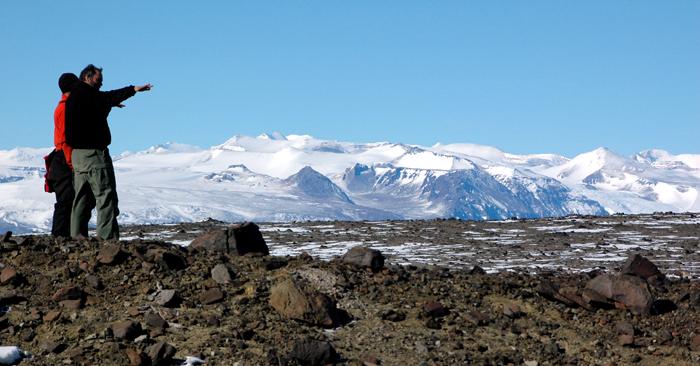
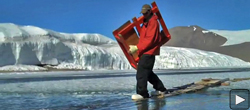
Scientist Adam Lewis looks out on the McMurdo Dry Valleys.
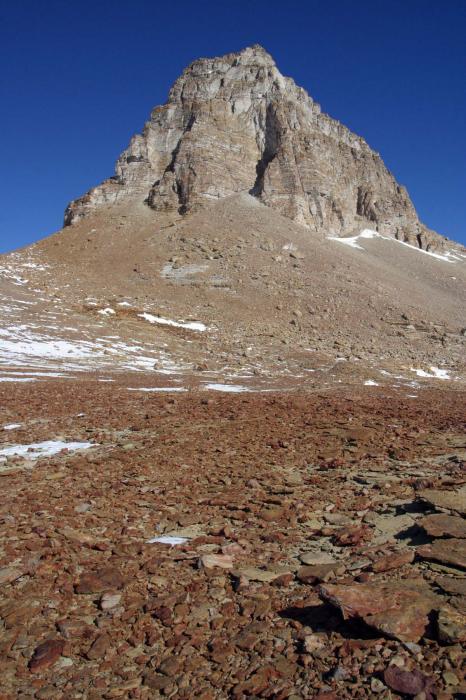
A peak in the Arena Valley in the Dry Valleys of Antarctica.
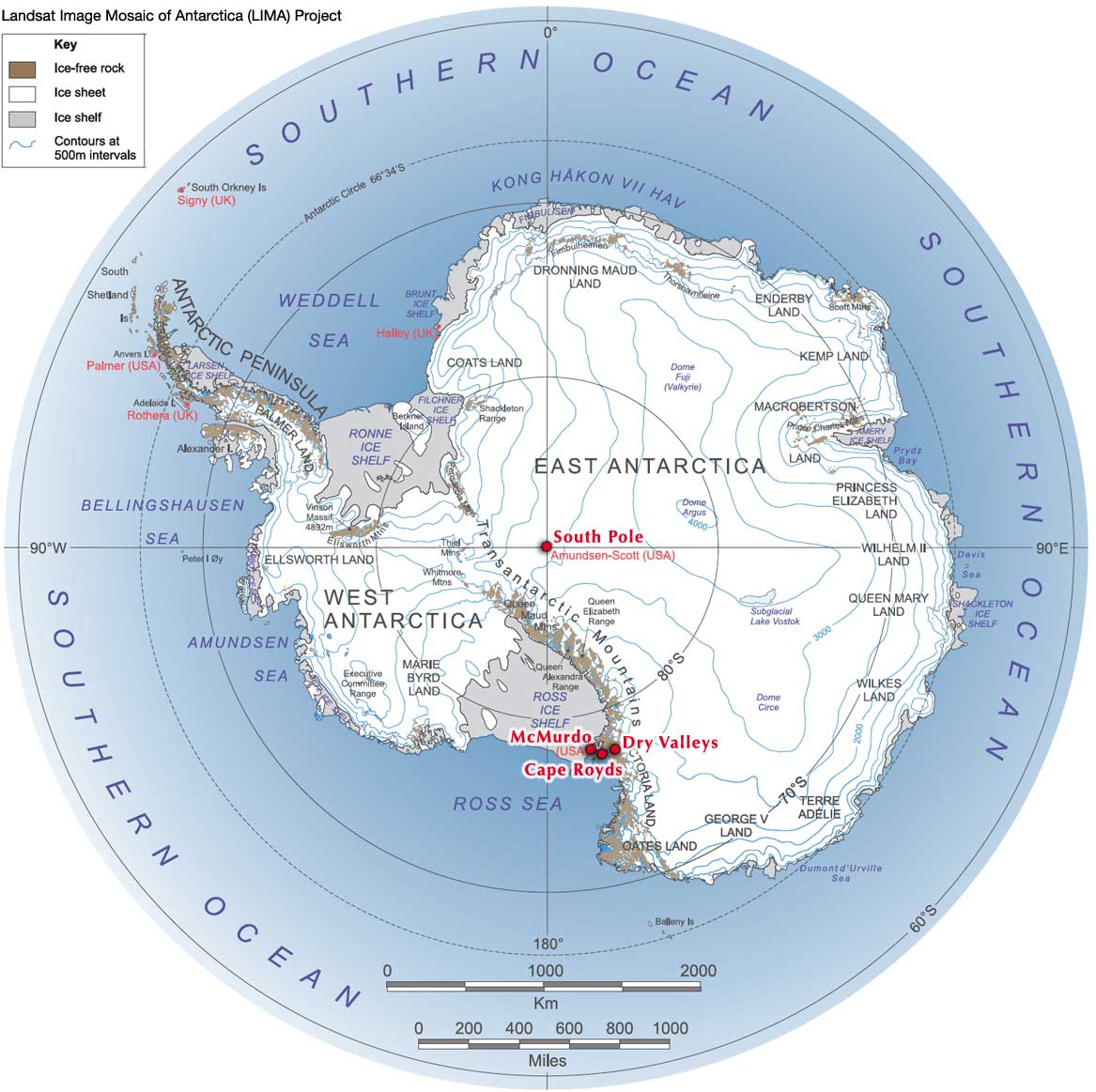
As the last leg of our science coverage during the International Polar Year, the Exploratorium’s Ice Stories crew traveled to the bottom of the world in December 2008. Based at the main National Science Foundation Antarctic research station of McMurdo, we traveled to the Adélie penguin colony at Cape Royds, visited the historic huts of early explorers Scott and Shackleton, flew to the South Pole station to check on the IceCube neutrino telescope, and spent a few days camping in the Dry Valleys where the dry, cold environment resembles that of the planet Mars. We documented the journey with Webcasts and regular posts to the Ice Stories Website throughout our icy expedition.
Our first two weeks were spent in McMurdo, getting our “Happy Camper School,” sea-ice training, and helicopter safety tests completed. We also set up our Webcasting equipment and snagged interviews with some of the scientists. We spoke with polar geologist Robin Bell of Columbia University before she and her team head off to the South Pole to get their bodies adapted to the high altitude and cold temperatures of her East Antarctica research site. Robin told us about outfitting the airplanes to survey the Gamburtsev Mountains, a vast mysterious range under the ice sheet. We also caught Steve Pekar of Queen’s College, the City University of New York, arriving from the field after searching for ancient sediment deposits at the bottom of McMurdo Sound. Steve is the leader of the Offshore New Harbor Project, reported on by his students, Ice Stories correspondents Andrea Balbas and Howie Koss. We also spent time with Ohio State geologist and Ice Stories correspondent Kelly Carroll checking on the progress of the Polar Earth Observing Network (POLENET), a network of seismic and GPS instruments across the Antarctic continent.
Other scientists featured in posts and Webcasts include glaciologist Slawek Tulaczyk of the University of California, Santa Cruz, who imaged two subglacial lakes with a team that included Saffia Hossainzadeh and Jake Walter. We spoke with Allan Ashworth and Adam Lewis from North Dakota State University, who are featured in the recent film Ice People,. Their recent discovery of 14-million-year-old fossils provided evidence that Antarctica was once much warmer than it is today. Allan and Adam found their fossil treasures in the Dry Valleys, a unique polar desert ecosystem nearly devoid of snow. We traveled to the Dry Valleys’ Lake Hoare by helicopter and interviewed the biologists, glaciologists, and geologists working on the McMurdo Long Term Ecological Research project.
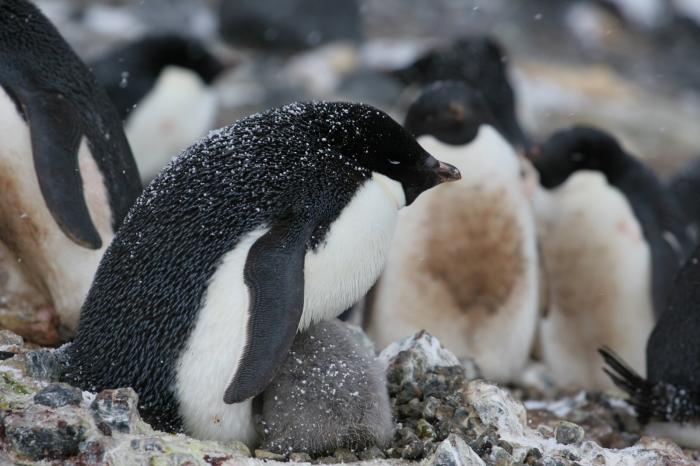
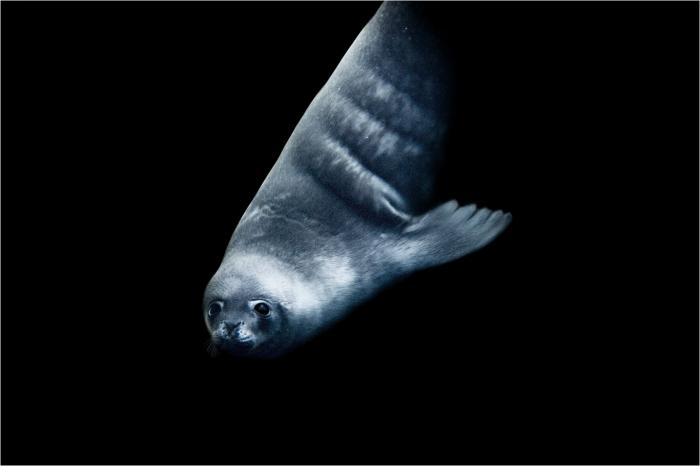
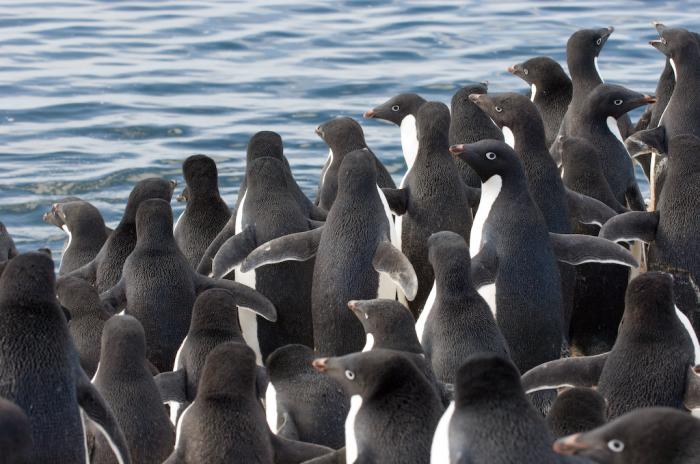
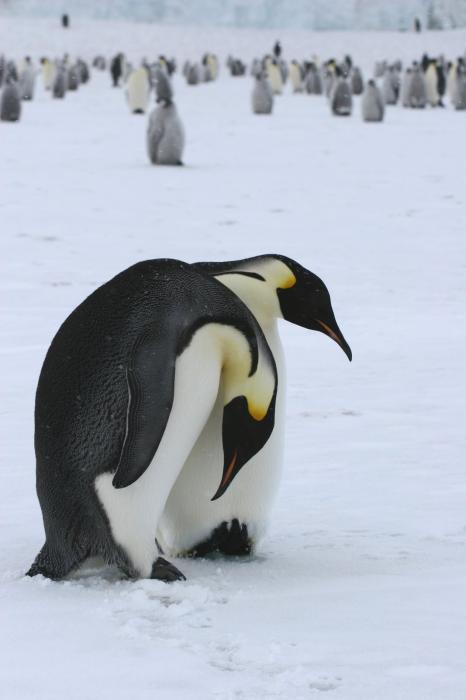
Of course, no trip to Antarctica would be complete without spending time with the continent’s biological ambassadors: penguins. We hosted a Webcast with Scripps Institution of Oceanography’s Paul Ponganis, who studies the diving physiology of emperor penguins, and we camped with David Ainley near the Adélie penguin rookery at Cape Royds. Penguins depend upon the rich underwater ecosystems of Antarctica to survive, and we featured a Webcast with marine biologist Stacy Kim from the Moss Landing Marine Laboratories. She leds a team of engineers and scientists using a small camera-equipped remotely operated vehicle (ROV) to investigate the bottom-dwelling creatures under the sea ice.
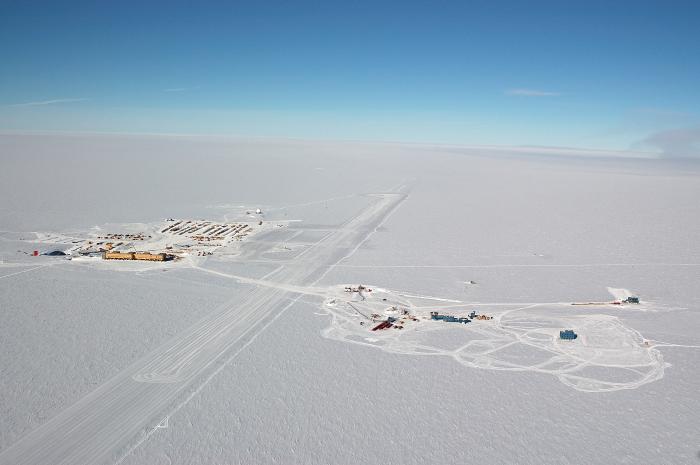
At the South Pole Station, we investigated the unique science of the polar plateau being conducted there. We interviewed physicist Mark Krasberg, a member of the University of Wisconsin’s IceCube Observatory. This under-ice telescope, which looks into and through the earth, can only be described with superlatives: it occupies a cubic kilometer of clear ice and measures some of the smallest, most abundant, and most energetic particles in the universe. Called neutrinos, these particles are nearly massless and almost impossible to detect, but scientists hope that the largest telescope in the world will be up to the task. At the South Pole, we checked in with our friends from the University of Chicago who were running the newly built South Pole Telescope. We also spent time at NOAA’s South Pole Observatory, which has been measuring carbon dioxide and other atmospheric gases since the International Geophysical Year of 1957–58.
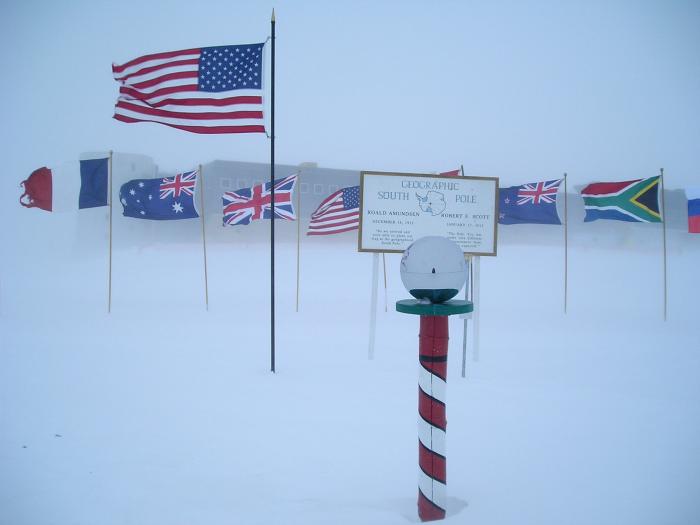
A storm at the South Pole.
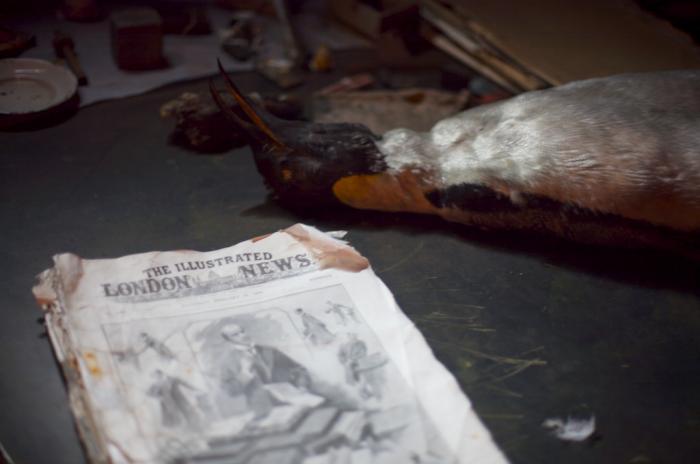
Finally, we celebrated history and holidays in Antarctica. We toured Robert F. Scott’s historic Discovery Hut near McMurdo with New Zealand scientists who are studying the condition of well-preserved but endangered relics like this from the golden age of exploration. It wasn’t all work for the Exploratorium crew. With 24 hours of daylight, but plenty of snow and ice, McMurdo has its own way of celebrating the holidays: There were formal dinners, an art show, and gingerbread for Christmas, while an all-day festival of home-grown music and a chili cook-off contest known as Ice Stock rang in the New Year.
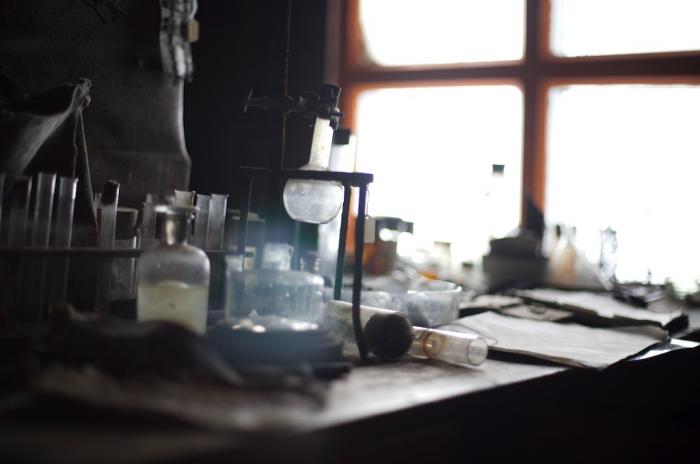
The lab in Scott’s Hut.